Unlocking Creativity with Versatile Stationery Backgrounds
In the world of digital design and crafting, the foundation of any great project often lies in the texture and color palette you choose. High-quality stationery backgrounds serve as that essential canvas, transforming a simple document or product into something visually striking and professionally finished. Whether you are an independent artist looking to sell on Etsy, a teacher creating engaging classroom materials, or a small business owner branding your invoices, the right background can make all the difference. These digital assets offer a shortcut to aesthetic perfection without requiring hours of manual painting or complex photo editing.
The Artistic Foundation: Splashes, Inks, and Custom Brushes
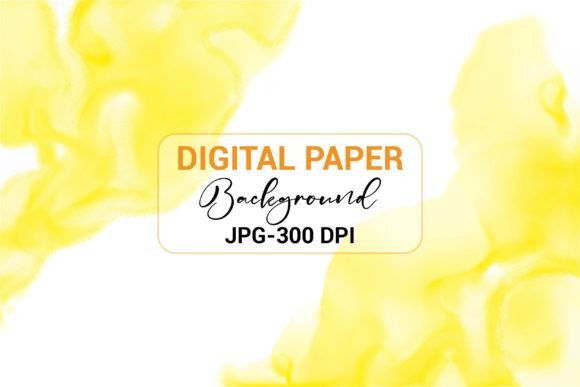
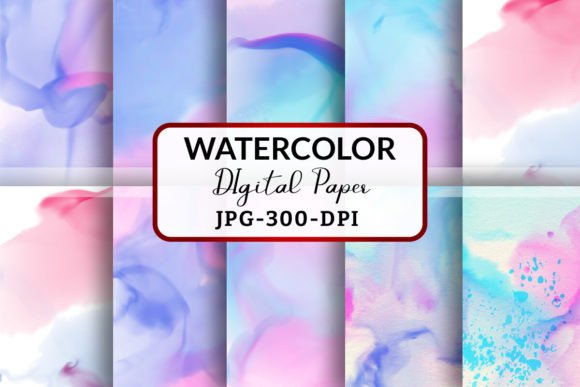
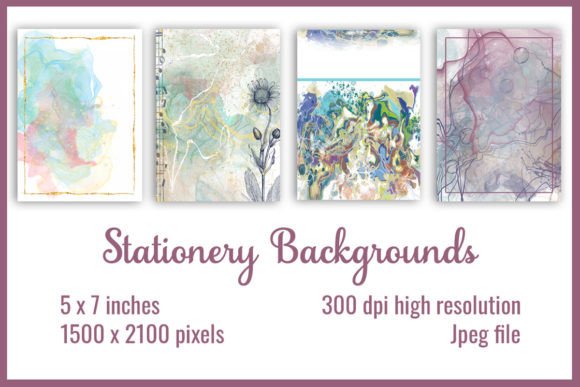
What sets premium stationery backgrounds apart is the method used to create them. Unlike flat, computer-generated gradients, the most engaging designs mimic the organic feel of traditional art supplies. A standout collection might feature four distinct mixed media styles, each crafted using techniques like alcohol ink splashes and custom digital brushes. Alcohol ink, known for its fluidity and vibrant blending capabilities, creates those mesmerizing, unpredictable swirls that catch the eye. When translated into a high-resolution digital file, these textures retain their depth and character, offering a tactile quality that flat colors simply cannot achieve.
Using custom brushes adds another layer of uniqueness. Instead of relying on generic stock patterns, these backgrounds incorporate specific strokes and marks that give them a handcrafted signature. This approach ensures that when you apply these stationery backgrounds to your projects, they feel personal and bespoke. The combination of fluid ink movements and deliberate brushwork results in a visual language that speaks of creativity and effort, instantly elevating the perceived value of whatever item you are designing.
Technical Specifications That Matter
When selecting digital assets for print-on-demand or professional printing, technical specifications are not just details; they are requirements. For a seamless workflow, you need files that are crisp, clear, and ready to use immediately. Ideally, these stationery backgrounds should be delivered as JPEG files at 300 dpi. This resolution is the industry standard for print, ensuring that when you scale the image up to fit a page, there is no pixelation or blurriness.
A standard size for many creative projects is 5 x 7 inches, which corresponds to a pixel dimension of roughly 1500 x 2100 pixels. This size is incredibly versatile. It fits perfectly into standard greeting card templates, journal covers, and even smaller packaging labels. However, the beauty of a digital file is its scalability. While the base file might be designed for a 5 x 7 layout, the high resolution allows you to crop, resize, or repeat the pattern to fit larger formats without losing quality. Furthermore, it is crucial that the files you download are free of watermarks. A watermark ruins the final product's professionalism, so ensuring you receive clean, transparent files is a non-negotiable step in your design process.
Beyond Paper: Expanding Your Creative Horizons
While the term "stationery" suggests paper products, the utility of these mixed backgrounds extends far beyond the desk drawer. The true power of these digital assets lies in their adaptability. Once you start cutting, pasting, and playing with the layers, you will discover that these designs work beautifully on clothing and various other items. Imagine applying a vibrant alcohol ink splash pattern to a tote bag, a t-shirt, or even a set of coasters. The organic nature of the design translates well to fabric, adding a bohemian or artistic flair to apparel.
This versatility opens up new revenue streams for creators. You are no longer limited to selling printable planners or journals. With the same set of four backgrounds, you could launch a line of branded merchandise. The fluid lines and soft blends of the ink patterns are particularly forgiving on different surfaces, meaning they look just as good on matte paper as they do on glossy phone cases or ceramic mugs. This cross-medium application makes investing in a versatile pack of stationery backgrounds a highly efficient move for any creative entrepreneur.
Practical Applications in Modern Workflows
Integrating these backgrounds into your modern workflow is straightforward. Most design software, from Adobe Photoshop and Illustrator to user-friendly tools like Canva or Procreate, accepts JPEG files effortlessly. You can drag and drop the background, adjust the opacity to let text shine through, or use blending modes to integrate the texture seamlessly with your typography.
Consider a scenario where you are designing a wedding invitation suite. Instead of a stark white background, you overlay a subtle, muted version of one of the ink splash backgrounds. Suddenly, the invitation feels luxurious and custom-made. Or perhaps you are a blogger needing headers for your website. Using a cropped section of these backgrounds as a banner adds visual interest and brand consistency without overwhelming the reader. The key is flexibility; these files are meant to be manipulated. Don't be afraid to rotate them, mirror them, or combine elements from two different backgrounds to create a completely new pattern.
Navigating Print Realities and Expectations
One important consideration when moving from screen to physical product is the variance in printer output. Digital screens emit light, while printers deposit ink onto paper. Consequently, some images may print a bit differently than they appear on your monitor. Factors such as your specific printer model, the type of paper you use (glossy, matte, cardstock), and your printer settings play a significant role in the final result.
For instance, deep blacks might appear slightly softer on certain papers, and vibrant neon inks might tone down depending on the ink cartridge quality. To mitigate this, it is always wise to run a test print before committing to a large batch. Adjusting your printer settings to "high quality" or "photo mode" can often bridge the gap between digital expectation and physical reality. Understanding these nuances helps manage expectations and ensures that the final product meets your standards. Remember, the goal of these stationery backgrounds is to provide a beautiful starting point, but the final touch depends on your execution.
Why Mixed Media Styles Resonate Today
There is a growing trend towards authenticity and handmade aesthetics in both personal and commercial design. In a sea of perfectly symmetrical, AI-generated graphics, the imperfection of a paint splash or a brush stroke stands out. People crave connection, and seeing textures that resemble real-world materials creates an emotional response. This is why mixed media stationery backgrounds are so effective. They evoke the feeling of a studio, a messy table, and the joy of creation.
Whether you are designing a children's activity book, a corporate newsletter, or a fashion label, these textures add a human element. They suggest that care was taken, that someone actually made this. In a digital-first world, that analog feel is a powerful differentiator. By choosing backgrounds that feature splashes and alcohol inks, you are tapping into a design language that feels current, artistic, and deeply engaging.
Getting Started with Your Design Projects
Once you have your files downloaded, the possibilities are truly limitless. Start by organizing your workspace. If you plan to use these backgrounds for multiple kinds of stationery, consider creating a master folder with subfolders for different projects. Experiment with how the four distinct styles interact with different fonts and layouts. Try placing bold, sans-serif text over a chaotic ink splash for a modern contrast, or pair elegant script with a softer, more diffused background for a romantic look.
Don't limit yourself to the original dimensions. As mentioned, these files are 5 x 7 inches at 300 dpi, but you can tile them to cover a full sheet of A4 paper or zoom in to focus on a specific detail for a logo background. The act of cutting and pasting, rearranging, and experimenting is where the magic happens. Let your inspiration guide you. If a particular color scheme sparks an idea for a clothing line, go for it. The boundaries of what these stationery backgrounds can do are defined only by your imagination and your willingness to explore new mediums.
Ultimately, these digital assets are more than just decorative images; they are tools for expression. They empower you to create professional-grade designs quickly and efficiently, whether you are working from a home office or a professional studio. By understanding their technical qualities, appreciating their artistic origins, and embracing their versatility, you can elevate every project you touch. So, open your design software, load up those high-resolution JPEGs, and start creating something that inspires.